Managing Multiple ISAs: How Many ISAs Can I Have in 2025?
Reviewed by Neil AinsworthLast updated: November 20, 2025 12:14 pm

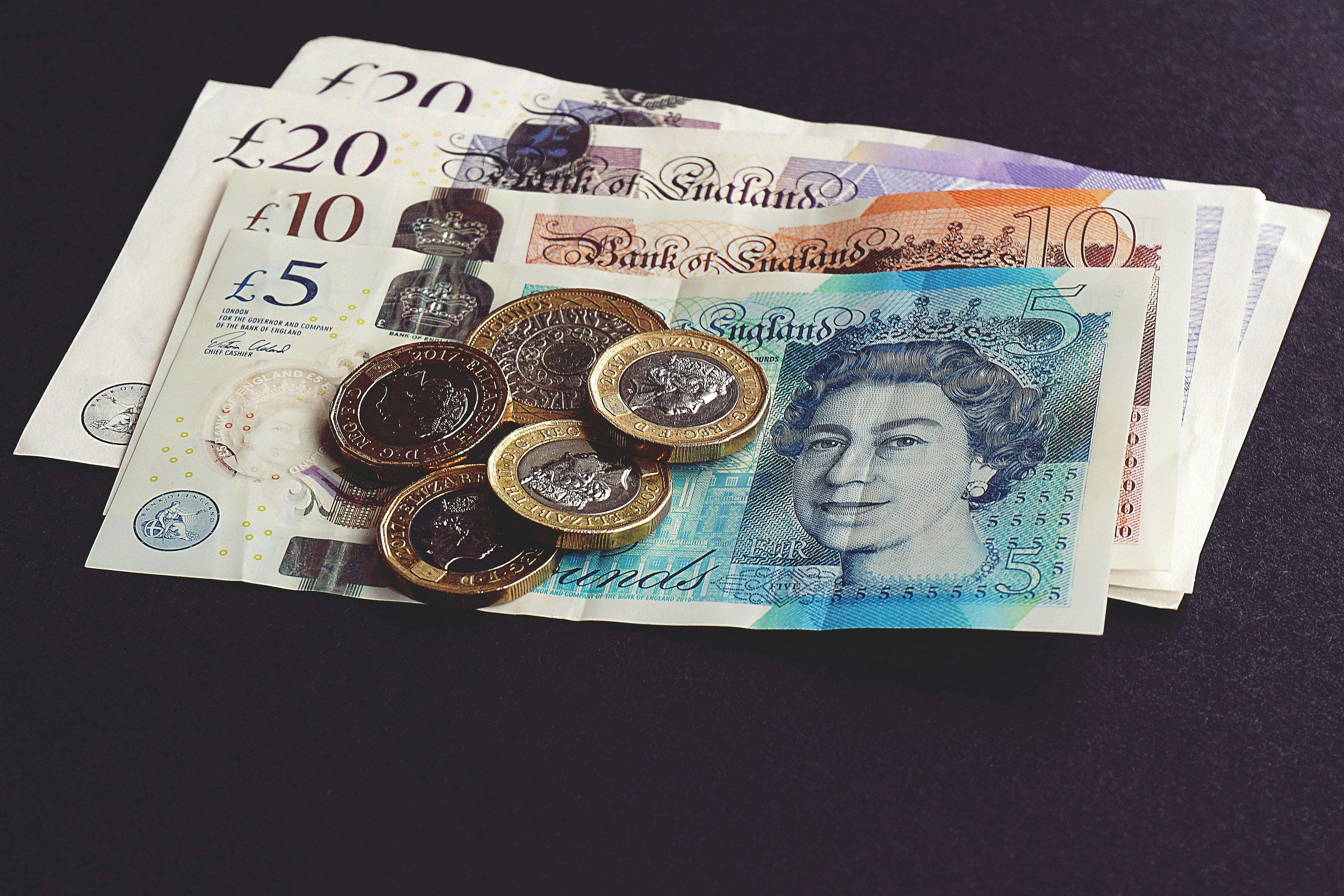
Image credit: Magda Ehlers @Pexels
In this article:
Introduction to Individual Savings Accounts
Individual Savings Accounts (ISAs) provide a tax-efficient way to save and invest in the UK. As of 2025, the annual ISA allowance is £20,000. This represents a significant opportunity to grow wealth without paying tax on gains, interest or dividends. Proper utilisation of this allowance can be a cornerstone of your financial strategy. This guide explores the different ISA types, how many you can hold, and the current rules that govern their use.
Understanding the ISA Allowance
The ISA allowance is a yearly limit set by the government on how much you can contribute across your ISAs while keeping returns tax-free. It is designed to encourage saving and investing among UK residents and provides a strong incentive to maximise contributions each tax year.
Key Updates in ISA Regulations for 2025
It’s important to stay up to date with ISA rules. From 6 April 2024, you can pay into more than one ISA of the same type in a tax year, and you can make partial transfers of current-year subscriptions between providers. The overall annual allowance remains £20,000. Always check the latest HMRC guidance or speak to a financial adviser to ensure you’re making the most of the rules.
Benefits of Integrating ISAs into Your Financial Portfolio
Incorporating ISAs into your broader financial plan can provide balanced growth and security. By using the full £20,000 allowance, you can significantly enhance your long-term savings potential. Whether for retirement planning, buying a first home, or building family financial resilience, ISAs offer flexible, tax-efficient options that align with a range of goals.
This guide aims to demystify ISAs and help you make informed decisions about using them effectively. With the right knowledge and planning, you can leverage ISAs to achieve tax-efficient growth and meet your financial goals.
How Many ISAs Can You Hold?
One common question among savers is how many ISAs you can hold. There is no limit to the number of ISA accounts you can have, but you must not exceed the £20,000 annual allowance across all subscriptions in a single tax year. Since 6 April 2024, you may pay into multiple ISAs of the same type in the same tax year and still split your allowance across providers. Keep in mind that holding several accounts can complicate monitoring and administration.
Exploring the Diversity of ISA Options
ISAs are tailored to different needs and goals. Here’s a concise overview of each type:
- Cash ISA: Particularly appealing for those seeking a safe haven for their savings, the cash ISA offers a secure, low-risk option. Interest rates change frequently; fixed-term accounts often pay more than easy access.
- Stocks and Shares ISA: Suitable for investors looking for growth, this ISA involves higher risks but potentially greater returns. It’s essential to stay informed about market fluctuations and consider diversifying within this ISA to mitigate risks.
- Lifetime ISA (LISA): Aimed at individuals aged 18-39 to open. You can contribute up to £4,000 a year and receive a 25% government bonus (up to £1,000 per year). Penalty-free withdrawals are allowed for a first home costing up to £450,000 after the account has been open for 12 months, or from age 60.
- Innovative Finance ISA: This type of ISA allows investments in peer-to-peer lending schemes, which may yield higher returns but come with increased risk. There is no FSCS protection for investment losses if borrowers default.
- Junior ISA: This ISA allows parents and guardians to save for a child’s future, with a maximum contribution limit of £9,000 per year as of 2025. The child can take control of the account at 16 but cannot withdraw until 18, when it becomes an adult ISA.
Strategic ISA Transfers
Transferring funds between ISAs can be a strategic move to optimise returns and adapt to new financial situations. This maintains the tax-free status of your savings, as long as the transfer is conducted directly between ISA providers. From 6 April 2024, partial transfers of current-year subscriptions are permitted. Regularly review market conditions and your goals to decide if a transfer could be beneficial.
Considerations for Multiple ISAs
While holding several ISAs can be advantageous, managing them requires careful planning. Regular reviews are essential to ensure each ISA is performing in line with your financial objectives. Additionally, consolidating ISAs might be worth considering if managing multiple accounts becomes too cumbersome or if it aligns better with your financial strategy.
The Impact of Multiple ISAs on Financial Planning
Having multiple ISAs can be a strategic advantage, allowing you to allocate funds to different goals and risk levels. For example, combining the stability of a cash ISA with the growth potential of a stocks and shares ISA can diversify your portfolio. This approach can help manage risk while maximising long-term returns and catering to both short-term needs and long-term aspirations.
Enhancing Financial Security Through Diversification
Diversification is key in financial planning, and holding multiple ISAs can play a crucial role in this strategy. By spreading your investments across different types of ISAs, you reduce the impact of poor performance in one area on your overall portfolio. For example, while a stocks and shares ISA may offer higher returns during bullish market conditions, a cash ISA can provide a safety net during volatile periods. This balanced approach helps to maintain steadier growth and mitigate losses over time.
Optimising Contributions to Maximise Returns
It’s crucial to use your annual ISA allowance fully, as unused allowance cannot be carried over to the next year. Plan contributions to make the most of the tax benefits. Consider timing contributions and using regular payments; making monthly contributions can benefit from pound-cost averaging and may reduce the impact of market volatility. If your ISA is flexible, money withdrawn and replaced in the same tax year does not use additional allowance.
Regular Reviews and Adjustments
To truly benefit from having multiple ISAs, conduct regular reviews of your financial portfolio. This ensures that each ISA is performing in line with your goals and adjusts to changes in your personal circumstances or economic conditions. An annual or twice-yearly review can help you decide whether to shift funds between ISAs or change your investment approach.
By understanding and managing multiple ISAs strategically, you can enhance your financial planning with a portfolio that grows and adapts with you over time.
FAQs on Managing ISAs
- Can I open an ISA if I live abroad? You must typically be a UK resident for tax purposes to open and subscribe to an ISA, unless you are a Crown employee serving overseas (or their spouse or civil partner). If you move abroad, you can continue contributing only for the remainder of that tax year; after that, you must stop, though the ISA can remain open and tax-free. If you return to the UK, you can resume subscriptions as long as the ISA remains open.
- What happens to my ISA if I pass away? Upon death, your ISA becomes a ‘continuing ISA’ and retains its tax advantages until the earlier of closure, completion of estate administration, or three years after death. Your spouse or civil partner can use an Additional Permitted Subscription (APS), allowing them to add an amount at least equal to the value of your ISA(s) to their own ISAs (potentially higher if using the same provider). Other beneficiaries do not receive APS rights.
- Can I withdraw from a Lifetime ISA without penalties? Withdrawals from a Lifetime ISA to purchase your first home (price up to £450,000 and the account must have been open for at least 12 months) or after you turn 60 are penalty-free. For other withdrawals, a 25% charge applies, which could mean you get back less than you invested. The charge also does not apply if you are terminally ill.
- Is it possible to convert between ISA types? You can transfer funds between different types of ISAs to meet changing needs while preserving tax-free status, provided the transfer is handled directly between providers. For example, moving from a Cash ISA to a Stocks and Shares ISA could be beneficial if you’re seeking potentially higher returns and are comfortable with higher risks. Note that moving money out of a Lifetime ISA to a non-LISA counts typically as a withdrawal and incurs the 25% charge; transfers between LISAs are allowed without penalty.
- How often should I review my ISAs? It is prudent to review your ISAs at least annually to check they are aligned with current market conditions and your financial goals. An annual review is also a good opportunity to adjust contributions, especially if your situation has changed, so you maximise the use of your annual ISA allowance.
Regular reviews and staying informed about the flexibility within ISA rules can significantly enhance the effectiveness of your savings and investment strategy. Keeping up to date with HMRC guidance or seeking advice from a regulated financial adviser can help you adapt to new opportunities and optimise your planning.
A Financial Adviser Can Help
ISAs offer a flexible and efficient way to save and invest. Whether you are building savings, investing in the stock market, or planning for your child’s future, understanding the intricacies of ISAs can help you maximise your tax-free allowance. A financial adviser can provide guidance tailored to your personal circumstances and goals, helping you navigate ISA choices and optimise your strategy.
At FinancialAdvisers.co.uk, we connect you with FCA-authorised financial advisers in your area to help manage and enhance your financial health. Get expert advice today to make informed decisions about your savings and investments.