How to Invest in Coffee: Is It a Good Investment?
Reviewed by Neil AinsworthLast updated: November 6, 2025 8:29 am
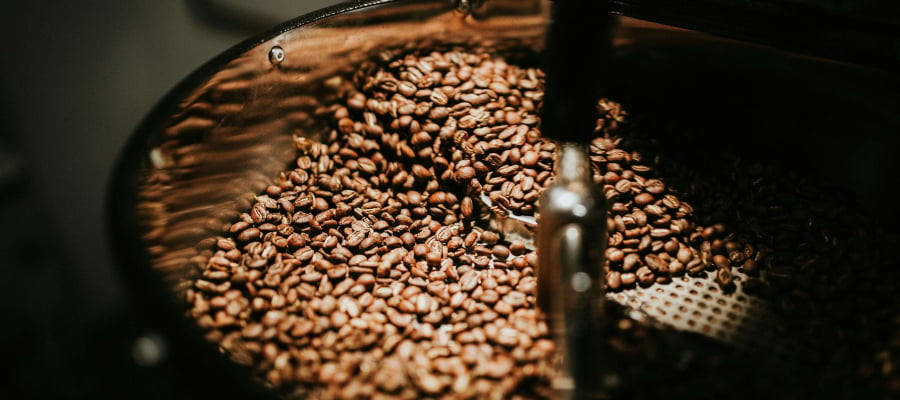
Image credit: Juan Pablo Serrano @Pexels
In this article:
Introduction to Coffee Investments
Investing in the coffee industry presents a distinctive opportunity for both enthusiasts and investors to benefit from the worldwide popularity of coffee. Characterised by its consistent expansion, attributed to the daily consumption habits of millions globally, the coffee market is a compelling sector for investment. In 2025, the coffee industry continues to thrive, with an estimated 2.25 billion1 cups of coffee consumed daily around the world, highlighting robust demand and market stability.
This guide will explore the diverse methods of investing in coffee, discuss the potential benefits, and examine the inherent risks involved. It will also provide insights into the economic factors that drive the coffee market, offering investors a comprehensive understanding of how to navigate this vibrant industry.
Understanding the Growth of the Coffee Market
The global coffee market has seen a notable increase in valuation, with an estimated size of $256.9 billion2. This growth is propelled by rising coffee consumption in emerging markets and the development of premium coffee products among more affluent consumers. The expansion of coffee culture across different regions has also played a crucial role in this upward trend.
Economic Impact of Coffee Investments
The economic implications of investing in coffee are significant. The industry not only supports millions of jobs worldwide but also contributes extensively to the economies of coffee-producing countries. Investment in coffee can drive technological advancements and sustainable practices in these regions, leading to improved crop yields and higher quality produce.
By understanding these dynamics, investors can better position themselves to make informed decisions in the coffee sector, leveraging its growth potential to achieve substantial returns while contributing to economic development and sustainability in the coffee industry.
Ways to Invest in Coffee
There are several avenues through which one can invest in coffee, each varying in nature and investment strategy required:
- Coffee Futures: This method involves purchasing contracts to buy or sell coffee at a future date at a predetermined price, enabling investors to speculate on the price of coffee. The New York Mercantile Exchange and the Intercontinental Exchange in London both offer platforms to trade these derivatives. These markets have seen a significant uptick in activity, reflecting the increasing volatility and investor interest in coffee prices.
- Coffee ETFs: Exchange-traded funds (ETFs) related to coffee offer a way to invest in the coffee market without engaging in direct trade. Notable examples include the iPath Dow Jones-UBS Coffee Subindex Total Return ETN and the iPath Pure Beta Coffee ETN. These funds track the price of coffee futures, providing an accessible means for individual investors to gain exposure to coffee price movements without the complexities of futures trading.
- Coffee Company Stocks: Buying stocks in companies like Starbucks or Nestle provides exposure to the market’s dynamics through the lens of established coffee businesses. These companies continue to expand globally, especially in emerging markets where coffee consumption is rapidly growing. Investors benefit from both the underlying value of the coffee and the operational excellence of these corporations.
- Coffee Farm Investments: For those interested in sustainable and ethical investments, putting money into coffee farms that prioritise fair trade practices and environmental conservation can be a rewarding choice. These investments often provide support to local communities and promote sustainable agricultural practices. Initiatives like direct trade and organic certifications have gained traction, offering higher premiums for farmers and a more transparent supply chain for investors.
Each investment method offers distinct advantages and varies in terms of involvement and risk. For instance, direct investment in coffee farms involves a deeper engagement with the production process and a direct impact on sustainability, whereas trading in futures and ETFs offers liquidity and flexibility without the complexities of physical trade. By choosing the appropriate investment avenue, investors can align their financial goals with their ethical considerations and market outlook.
Is Coffee a Good Investment?

Image credit: Igor Haritanovich* @Pexels
Investing in coffee offers a stable opportunity to diversify an investor’s portfolio. With billions of cups of coffee consumed daily across the globe, the robust demand underlines significant growth prospects. This sustained demand indicates strong potential for yielding long-term investment returns. Nonetheless, it is essential to take into account the volatility and other associated risks with commodity investments.
The resilience of the coffee market can be attributed to several factors, including the expansion of coffee culture into new markets and the increasing popularity of specialty and premium products. The industry’s adaptability in responding to consumer trends, such as the rise of sustainable and ethical consumption, also plays a crucial role in maintaining its growth trajectory.
- Innovations in coffee production and distribution, driven by technology and sustainability initiatives, are creating new investment opportunities within the sector.
- Demographic trends, particularly in emerging markets, are expected to continue driving coffee consumption upwards. Young populations in countries such as India and China are beginning to embrace coffee culture, further buoying market growth.
While the outlook for coffee investments is generally positive, potential investors should carefully consider the impact of external factors such as climate change and geopolitical tensions in coffee-producing regions. These factors can cause significant fluctuations in coffee prices and supply chains, potentially affecting investment returns.
Overall, while there are risks involved, the ongoing demand and market growth provide a compelling case for coffee as a worthwhile addition to investment portfolios in 2025. Engaging with a financial adviser who understands commodity markets could offer further personalised insights and strategies for investing in this dynamic sector.
Potential Risks in Coffee Investing
While the prospects can be enticing, potential investors should be aware of several risks:
- Market Volatility: The price of coffee can fluctuate widely due to factors such as climate conditions, political instability in producing countries, and market speculation. For instance, volatile weather patterns in major coffee-producing regions such as Brazil and Colombia have historically caused significant price shifts within short periods.
- Supply and Demand Imbalances: An oversupply of coffee can depress prices, whereas a shortage can lead to price spikes. The coffee market has been particularly sensitive to shifts in global consumption patterns, which have been influenced by economic fluctuations and changing consumer preferences.
- Impact of Climate Change: Global warming poses a significant threat to coffee crops worldwide, potentially affecting yield and quality. Research indicates3 that rising temperatures and changing precipitation patterns could reduce the global area suitable for coffee production by up to 50% by 2050, increasing the risk of supply shortages and higher prices.
- Pests and Diseases: Coffee plants are vulnerable to various diseases and pests that can adversely affect crop yields. The spread of leaf rust and coffee berry disease, exacerbated by higher temperatures, continues to threaten crops, with outbreaks leading to yield losses.
- Regulatory Changes: New regulations and trade policies in both producing and consuming countries can impact market access and price stability. For example, tariffs and trade barriers have the potential to restrict exports from key producing countries, affecting global supply chains and investment returns.
Considering these risks, investors are advised to conduct thorough market research and possibly engage with financial experts to better understand the complexities of coffee investing and to develop strategies that mitigate these risks effectively.
Factors Influencing Coffee Prices
Several factors influence the cost of coffee, pivotal for investors to monitor:
- Weather Conditions: Adverse weather conditions like droughts or excessive rainfall significantly reduce coffee production, triggering higher prices. Continuing climate variability continues to affect major coffee-producing regions, showing the need for investors to consider meteorological trends in their investment strategies.
- Production Changes: Variations in coffee production, whether due to agronomic factors, shifts in cultivation practices, or technological innovations, can greatly influence global supply levels and, consequently, prices.
- Currency Exchange Rates: The trading of coffee in US dollars means that fluctuations in currency exchange rates can have a direct impact on its market price. For instance, a strengthening US dollar might make coffee more expensive in other currencies, potentially lowering demand in non-dollar economies.
- Global Demand: Coffee prices are also affected by changes in consumer preferences and broader economic conditions. The increasing popularity of specialty coffees and sustainable products has spurred demand for premium varieties, while economic downturns in key markets can reduce overall consumption.
- Political Stability: Political events in coffee-producing countries can lead to disruptions in production and supply chains. Uncertainties such as civil unrest, changes in government policies, or trade restrictions can create significant volatility in local and international coffee markets.
- Technological Advancements: Innovations in agricultural technology and supply chain management are beginning to play a more critical role in the coffee sector. Developments such as precision agriculture and blockchain for traceability are poised to enhance production efficiency and market transparency, potentially stabilising prices in the long run.
Understanding these factors provides investors with a clearer perspective on the dynamics that shape coffee pricing and market behaviour, essential for making informed investment decisions.
Top Coffee Stocks to Consider
For those considering direct investment in coffee-related stocks, here are some noteworthy options as of July 2025:
- Starbucks Corporation: A leading name in the coffee industry, known for its significant global presence and strong brand. Starbucks has expanded to operate over 34,000 stores worldwide, demonstrating a solid strategy for entering new emerging markets.
- Nestle S.A.: This Swiss multinational not only owns popular coffee brands like Nescafe and Taster’s Choice but has also made significant strides in sustainability and ethical sourcing. Its strong market share in Europe and Asia makes it a solid investment choice.
- Dunkin’ Brands Group Inc.: Widely recognised in the US and globally, Dunkin’ continues to excel in the coffee and doughnut sector with more than 12,500 outlets worldwide.
- J.M. Smucker Company: Known for owning several top coffee brands such as Folgers and Cafe Bustelo, J.M. Smucker has reported a consistent rise in organic sales growth, driven by innovative product offerings and strategic marketing campaigns.
- Keurig Dr Pepper Inc.: Offering a variety of coffee brands, including Green Mountain Coffee and Donut Shop Coffee, Keurig has enhanced its market position by upgrading its brewing technology and expanding its product line to include eco-friendly options.
- The Coca-Cola Company: Through its acquisition of Costa Coffee, Coca-Cola has not only expanded its footprint in the coffee industry but also integrated Costa’s operations to bolster its performance in the ready-to-drink coffee segment, which is experiencing rapid growth.
- Luckin Coffee: As a rapidly growing competitor in the Chinese market, Luckin Coffee has been innovative in its use of technology for sales and customer interaction, posing a formidable challenge to Starbucks. Its aggressive expansion strategy has resulted in over 5,000 stores across China.
Investing in these companies offers varied levels of exposure to the global coffee market, from traditional retail to innovative technology-driven sales approaches. Each company’s unique strategy and market position provide potential investors with a range of options to suit different investment profiles and risk appetites.
Our How to Invest Series
We’ve prepared a series of blogs to help you understand how to invest in various sectors and whether these investments are a good idea. You can learn more below:
- How to Invest in Fashion
- How to Invest in Startups
- How to Invest in Art
- How to Invest in Healthcare
- How to Invest in Hotels
- How to Invest in Agriculture
- How to Invest in Artificial Intelligence
A Financial Adviser Can Help
If you are new to investing or wish to deepen your involvement in the coffee market, consulting with a financial adviser can provide valuable insights. An adviser can help tailor investment strategies to your financial goals and risk tolerance, ensuring that you make informed decisions.
FinancialAdvisers.co.uk can assist in connecting you with a FCA Approved Financial Adviser in your area, helping you navigate the complexities of investment opportunities in the coffee market.
This article contains external links for further information on topics. Whilst all attempts are made to verify the trustworthiness of these external sources, we accept no responsibilty for the upkeep or security of these external websites. Some of these links in particular are annotated below:
- 1 https://www.coffeedasher.com/coffee-consumption-statistics/
- 2 https://www.precedenceresearch.com/coffee-market
- 3 https://odi.org/en/insights/climate-change-coffee-prices-and-production-a-new-macro-economic-reality/
The following domains are also linked to credit authors and/or photographers: