Trading Apps for Beginners: What You Need to Know
Reviewed by Neil AinsworthLast updated: April 28, 2026 9:02 am
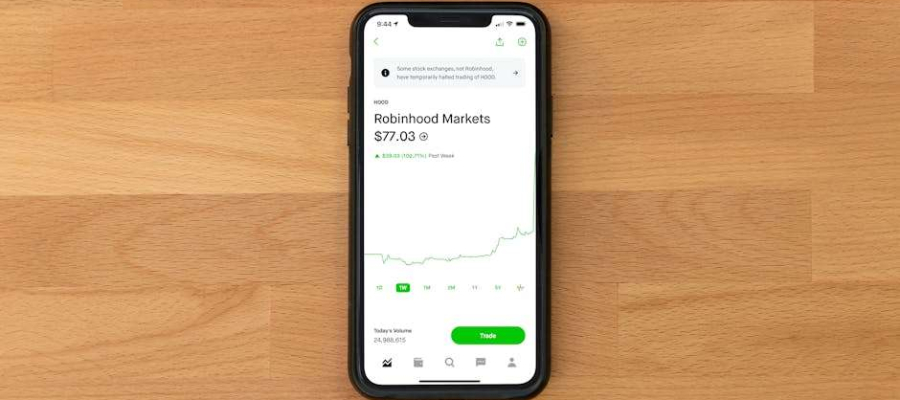
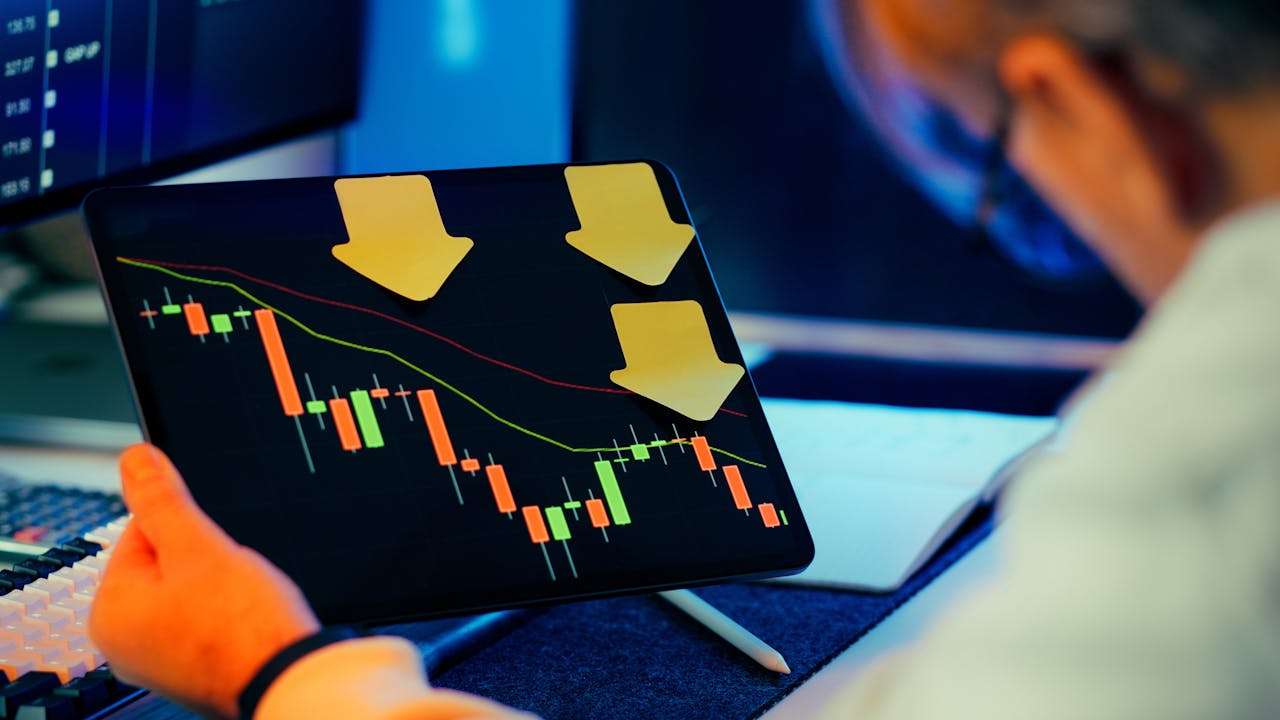
Image credit: Andrew Neel @Pexels
In this article:
Entering the world of trading can be exciting yet daunting. With modern mobile technology, many trading apps now make getting started more convenient and accessible. They can help you learn the basics, practise with virtual funds, and, when ready, place real trades. With so many options, it’s important to know how to choose an app and which features genuinely support safe, informed decision-making. This article is for information only and is not personal advice. Capital is at risk, and the value of investments can go down as well as up.
Understanding Trading Apps
Trading apps are mobile applications that enable you to buy and sell financial instruments such as shares, funds, bonds, foreign exchange (FX) and, in some cases, cryptoassets, on a phone or tablet. Most provide tools to place orders, monitor markets and manage a portfolio while on the move. In the UK, many operate on an execution-only basis (they do not provide personal recommendations). Some apps also offer complex, leveraged products such as contracts for difference (CFDs) and margin FX. CFDs are complex instruments and carry a high risk of rapid loss due to leverage; consider whether you understand how they work and whether you can afford to take on the risk of losing your money. Cryptoasset activities are not generally covered by the Financial Services Compensation Scheme1 (FSCS) and are high risk.
Key Features to Consider
When selecting a trading app, focus on features that support good decision-making, ease of use and appropriate protections, especially if you are new to trading.
- User-friendly interface: A clear, intuitive layout helps beginners navigate the app efficiently and reduces the learning curve.
- Educational resources: Quality learning tools such as video tutorials, webinars and articles can build a solid foundation in markets and trading techniques.
- Practice accounts: Demo accounts simulate market conditions with virtual funds, allowing you to practise without financial risk. Results may not reflect live execution, liquidity or slippage.
- Real-time data: Timely market prices, news and charts are crucial. Check whether “live” data is included or requires a paid subscription, and whether some feeds are delayed.
- Security measures: Look for strong encryption, two-factor authentication (2FA) and biometric logins. For FCA-authorised firms that hold client money, check how your money and assets are safeguarded (for example, under the FCA’s Client Assets rules2, where applicable).
Additional Considerations
While the core features above are fundamental, also consider the quality of customer support, the inclusion of risk-management tools, and the app’s cost structure. It’s helpful when apps provide direct support channels such as live chat or phone lines. Tools that help manage potential losses, such as stop-loss and take-profit orders, can support disciplined trading, but they do not guarantee execution at your chosen price, especially in fast-moving or gapping markets.
In the UK, check the Financial Conduct Authority (FCA) Register to confirm the firm behind the app is authorised and what permissions it holds. Authorisation can provide important protections (for example, access to the Financial Ombudsman Service3 and, in limited circumstances, FSCS protection if the firm fails), but it does not protect you from market losses. Cryptoasset trading is generally unregulated and is not covered by FSCS.
Finally, review the total cost of using the app. This may include trading commissions, spreads, foreign-exchange conversion fees, platform or custody fees, market-data subscriptions, withdrawal or inactivity charges, and government charges such as Stamp Duty Reserve Tax4 on most UK share purchases. Some providers use tiered pricing; however, the cheapest option is not always best if it compromises service, execution quality or available tools.
By weighing these features and factors, you can choose a trading app that meets your initial learning needs and supports your development as a trader. No app or strategy can guarantee profits, and you should only invest what you can afford to lose.
Choosing the Right Trading App
The right trading app for you will depend on your specific needs, trading style and the type of assets you are interested in trading. The steps below can help you make a balanced, well-informed decision:
- Identify your goals: Be clear about what you want to achieve. Are you trading shares, FX or cryptoassets? Is your focus long-term investing or short-term trading? Short-term trading typically involves higher costs and risk.
- Research available apps: Compare features, fees, asset coverage, order types, research and data, and platform reliability. Read independent reviews, regulatory warnings, and community forums with a critical eye; ratings can help, but are not definitive.
- Test the apps: Use demo or practice accounts to assess the interface and tools. Pay attention to responsiveness during busy market periods and to order-entry workflows. Demo conditions and simulated prices may differ from live markets.
- Check for regulatory compliance: Confirm on the FCA Register that the firm is authorised and note its permissions and reference number (FRN). Check whether client money/assets are safeguarded and if FSCS protection would apply if the firm failed. Remember: authorisation does not protect you from market losses, and most cryptoasset activity is outside FSCS.
Additional Steps for Selecting a Trading App
In addition to the above steps, consider the following to further refine your selection process:
- Analyse cost implications: Understand all costs, including commissions, spreads, FX conversion fees, platform or custody fees, market data, withdrawal and inactivity fees, and taxes or government charges (for example, Stamp Duty Reserve Tax on most UK share purchases). Some providers offer tiered pricing that reduces fees at higher volumes; weigh any savings against your likely trading frequency and the extra risk that higher activity can introduce.
- Assess customer support: Reliable customer support matters, particularly for beginners. Check which channels are available (live chat, email, phone) and typical response times. Around-the-clock availability can be valuable for 24-hour markets such as FX.
By following these steps and reflecting on your needs, you can select a trading app that helps you get started and continues to fit as your approach evolves.
Common Pitfalls to Avoid
While trading apps make the process of trading more accessible, there are common pitfalls that beginners should be aware of:
- Overtrading: The ease of trading can encourage too many trades made too quickly, without proper research or a clear strategy. This can increase costs and the risk of losses. Set limits and goals aligned with your broader financial plan.
- Ignoring fees: Even small charges, commissions, spreads, FX conversion, platform or custody fees, data subscriptions, withdrawal/inactivity fees and taxes such as Stamp Duty Reserve Tax, can compound and erode returns. Always understand the total cost of trading on the app.
- Neglecting risk management: It’s important to understand and use risk-management tools such as position sizing and stop-loss orders. Note that stop losses may not execute at your set price in fast-moving or illiquid markets.
Additional Pitfalls to Consider
- Lack of diversification: Putting all your funds into a single type of investment or market can be risky. Diversification helps to spread risk across various assets, potentially reducing the impact of poor performance in any one area.
- Emotional trading: Making decisions based on emotions rather than analysis can lead to poor outcomes. Using leverage can magnify both gains and losses. A clear trading plan and sticking to it can help.
- Ignoring market conditions: Beginners often overlook broader market conditions, liquidity, volatility and economic indicators that influence asset prices. Keeping informed through reliable financial news sources and market analysis can enhance decision-making.
Practical Steps to Avoid These Pitfalls
- Set clear goals and limits: Before you begin trading, decide on your financial goals and the maximum loss you are prepared to tolerate. Consider position sizing rules to help you stay disciplined.
- Educate yourself continuously: Markets evolve, and so should your knowledge. Use educational resources provided by apps to stay updated on trading strategies and market conditions.
- Utilise demo accounts: Practise with virtual funds in a simulated environment to hone your skills without financial risk. Results in a demo may not reflect live execution, slippage or psychological factors.
By being aware of these pitfalls and proactively taking steps to avoid them, you can improve your chances of better outcomes. Effective trading is as much about managing potential losses as it is about seeking gains.
A Financial Adviser Can Help
If you are new to investing or trading, taking regulated financial advice can help you clarify your goals, risk tolerance and whether active trading is appropriate for you. Advisers typically focus on long-term planning and investing rather than short-term trading tips, and can explain how different products, risks and costs might affect you.
Remember, while trading apps provide tools to participate in the markets, a clear plan, disciplined risk management and continuous learning are key. Nothing here is personal advice; if you are unsure about the suitability of an investment, seek advice.
At FinancialAdvisers.co.uk, we can connect you with an FCA-authorised and regulated financial adviser in your area who can provide personalised advice tailored to your circumstances. Adviser charges will apply, and there is no obligation to proceed.
This article contains external links for further information on topics. Whilst all attempts are made to verify the trustworthiness of these external sources, we accept no responsibilty for the upkeep or security of these external websites. Some of these links in particular are annotated below: