What Are Property Taxes In The UK?
Reviewed by Neil AinsworthLast updated: July 13, 2026 11:01 am

Image credit: Altaf Shah @Pexels
In this article:
Understanding Property Taxes In The UK
In the UK, recurring property-related taxation is collected mainly through Council Tax1 (in England, Scotland and Wales) and domestic rates (in Northern Ireland) for households, and through Non‑Domestic Rates (often called business rates) for commercial properties. These locally collected taxes help fund services such as social care, waste and recycling, libraries, local roads, policing and fire services.
How much you pay for a home is not based on its current market value. In England and Scotland, Council Tax bands reflect an estimate of the property’s open‑market value. Bands are set by the Valuation Office Agency (VOA)2 in England and Wales and by the Scottish Assessors3 in Scotland. Your bill depends on your band and the charges set by your local authority and other precepting bodies (for example, police and fire authorities). In Northern Ireland, domestic rates are based on the property’s capital value and are administered by Land & Property Services (LPS)4.
There is no routine five‑year revaluation for Council Tax in Great Britain; bands typically change only in limited circumstances (for example, after certain property alterations or where properties are merged or split). By contrast, business rates are revalued on a regular cycle (currently every three years in England and Wales). The next revaluation takes effect in 2026, using an antecedent valuation date of 1 April 2024.
In England, the central government sets annual ‘referendum principles5’ that limit Council Tax increases without a local referendum. In recent years, most councils have been able to increase the core element by up to 3%, with an additional adult social care precept where permitted. These thresholds are reviewed each year, so it is sensible to check your council’s budget proposals for the precise position in 2026.
Many councils provide Council Tax calculators6 to help households estimate bills based on their band and the authority’s proposed charges. Using these tools can support day‑to‑day budgeting.
Local tax levels can influence household budgets and, indirectly, housing choices. Prospective buyers often consider Council Tax charges when comparing areas, alongside other factors such as transport, schools and local services.
Given the impact of local taxes on household finances, it is worthwhile checking that your Council Tax band (or, in Northern Ireland, your capital value) is accurate and that any relevant discounts or reductions are applied to your bill.
How Property Taxes Are Assessed
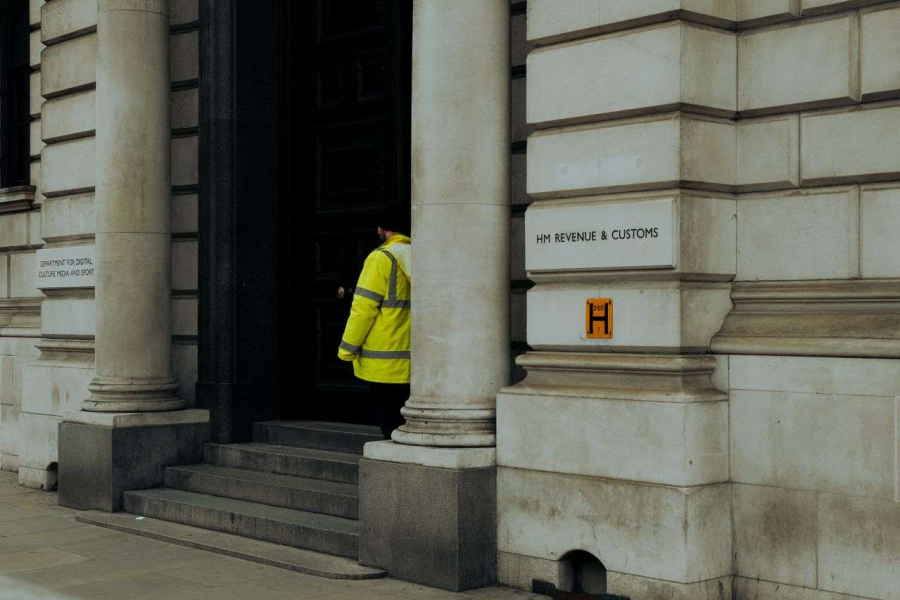
Image credit: Mathias Reding* @Pexels
For homes, valuations are carried out by the Valuation Office Agency (VOA) in England and Wales, by the Scottish Assessors in Scotland, and by Land & Property Services (LPS) in Northern Ireland. For business properties, the VOA (England and Wales), Scottish Assessors (Scotland) and LPS (Northern Ireland) determine the rateable value used to calculate business rates.
Valuation Methods Explained
- Comparable sales (Council Tax bands): Domestic properties are placed into bands based on evidence of market values from the fixed valuation dates (1 April 1991 in England and Scotland; 1 April 2003 in Wales). Assessors consider factors such as size, type and location, using comparable sales to ensure consistency.
- Rental comparison (business rates): Most non‑domestic properties are valued by reference to the annual rental value for which the property could have been let on the antecedent valuation date. Evidence from open‑market rents is analysed to determine the rateable value.
- Receipts, expenditure or contractor’s methods: Where rental evidence is limited (for example, for pubs, hotels or specialist properties such as utilities), alternative methods are used, including assessments based on trading receipts and expenditure, or on the cost of replacing the property (contractor’s basis).
Once the valuation is set, the bill is calculated differently depending on the tax. For Council Tax, your local authority sets annual charges for each band and collects precepts for other bodies (such as police and fire authorities). For business rates, a nationally set multiplier (pence in the pound) is applied to the rateable value, and reliefs may then reduce the bill.
Recent Adjustments in Assessment Practices
Assessment bodies increasingly use digital tools, improved data and geographic information systems (GIS)7 to support valuations. In England and Wales, the Check‑Challenge‑Appeal (CCA)8 service allows businesses to review and, if necessary, dispute their rateable values online. These changes aim to improve accuracy and transparency.
Understanding the basis of valuation can help you see how your bill is worked out and whether it may be reasonable. If something looks wrong (for example, property details are inaccurate), contact the VOA/Assessor/LPS to discuss it.
Impact of Economic Changes on Property Taxes
For Council Tax, bills do not move automatically with house prices between revaluations because bands are based on historic valuation dates. For business rates, rateable values are updated at each revaluation to reflect movements in the rental market on the relevant valuation date. Transitional arrangements and changes to the multiplier can smooth large bill movements.
Keep an eye on any policy or legislative changes announced for 2026, particularly around business rates multipliers and reliefs, and on your local authority’s Council Tax proposals, as these affect annual budgeting.
Types of Property Taxes
In the UK, recurring property taxes fall into two main groups, each supporting local services:
- Council Tax (domestic properties): Charged on most homes in England, Scotland and Wales, with bills set by local authorities and including precepts for other bodies (for example, police and fire). In Northern Ireland, an equivalent domestic rates system applies, administered by Land & Property Services.
- Business rates (non‑domestic properties): Charged on shops, offices, warehouses and other commercial premises. Bills are based on rateable value and a nationally set multiplier, with various reliefs available depending on circumstances and location.
Your bill may also include precepts or levies for specific bodies or services, such as parish or town councils, Police and Crime Commissioners, fire authorities, combined authorities or the Greater London Authority. These vary by area and are itemised on your annual bill.
Understanding Your Tax Bill
Your bill should show how charges are split between the local authority and any precepting bodies. Check your Council Tax band (or capital value in Northern Ireland), review any discounts or reductions you receive, and make sure the property details used for valuation are correct.
Key Changes in 2026
As of 2026, business rates are moving on a three‑year revaluation cycle in England and Wales, with the next revaluation taking effect in 2026. Council Tax referendum principles (which cap annual increases without a local referendum) are set each year by central government in England. For the latest position, refer to official government and local authority updates.
Staying informed through your council’s website, budget consultations and updates from valuation bodies can help you anticipate changes and understand how revenues are used locally.
Exemptions and Relief Programs

Image credit: Barnabas Davoti* @Pexels
Several discounts and reliefs are designed to reduce bills for eligible households. Availability and rules can vary by nation and local authority:
- Single person discount: If only one adult lives in the property, Council Tax is usually reduced by 25%9.
- Students and severe mental impairment: Full‑time students are generally disregarded for Council Tax10, and properties occupied solely by students are typically exempt. People with a severe mental impairment may be disregarded, which can reduce or remove the charge.
- Means‑tested Council Tax Reduction: Support is available for households on a low income. Schemes are set locally in England and operate nationally in Scotland and Wales; eligibility depends on your circumstances. In Northern Ireland, help with domestic rates is available through LPS.
Councils usually allow payment by monthly instalments (commonly over 10 or 12 months) and may agree to alternative plans if you are struggling. Contact your council promptly if you have difficulty paying; hardship arrangements may be available. For business rates, instalment plans and reliefs can also help with cash flow.
Additional Relief Measures
Further support may apply depending on your situation and location:
- Disabled band reduction (Council Tax): If your home has specific features needed by a disabled resident (for example, a room or space used by a wheelchair user), you may qualify for a reduction to the next lower band (or a reduction if already in the lowest band).
- Business rates reliefs: Small Business Rate Relief11, charitable relief12, rural rate relief13 and sector‑specific or transitional reliefs may reduce non‑domestic bills. Criteria vary; check your nation’s rules and speak to your billing authority.
Understanding and Applying for Tax Relief
Eligibility criteria differ across the UK. Check your council’s (or, in Northern Ireland, LPS’s) website for current rules and application deadlines, and contact the VOA/Assessor/LPS if property details used for valuation are incorrect.
If you are unsure what you may qualify for, independent guidance from organisations such as Citizens Advice14 can help. For more complex circumstances, you may wish to consult a suitably qualified professional (for example, a rating surveyor or tax specialist).
Being proactive and informed about property tax relief options can make bills more manageable and support more stable household finances.
How Property Taxes Impact Homeowners
Local property taxes are a material part of household budgets and can influence decisions about where to live or invest. Council Tax varies by area and property band, so it should be considered alongside mortgage or rent, utilities and transport when comparing locations.
Understanding the Influence of Property Tax on Real Estate Decisions
Higher local charges can reduce disposable income for improvements or other costs, while areas with lower charges may feel more affordable. However, local tax levels are only one factor: access to jobs and transport, school quality, amenities and environmental factors also affect demand and prices.
- Where bills rise quickly, some households may delay non‑essential improvements, which can affect local refurbishment activity.
- Areas that balance sustainable tax levels with good‑quality services can remain attractive to households and investors.
Strategic Financial Planning and Property Taxes
Check your current band (or capital value in Northern Ireland), understand local proposals for the year ahead and allow for possible changes when planning your budget. If you are moving, compare typical bills for the property types and bands you are considering.
Consider the longer‑term profile of local taxes by reviewing your authority’s published medium‑term financial plans and historic increases. This can help you assess affordability over time.
Statistical Insights into Property Taxes and Market Dynamics
There is no simple, universal relationship between local tax levels and house prices across the UK; impacts vary by region, supply and demand, and service quality. When assessing an area, consider total running costs and local service provision rather than Council Tax in isolation.
Make sure you explore any discounts or reductions you may be eligible for (for example, single person discount, student or severe mental impairment disregards, or Council Tax Reduction), as these can meaningfully reduce the annual cost.
By incorporating local tax considerations into wider financial planning, households can better manage outgoings and make more informed decisions.
Appealing Your Property Tax Assessment
If you think your home is in the wrong Council Tax band (or, in Northern Ireland, that the capital value is incorrect), you can challenge it. For business properties, you can seek a review of the rateable value. With markets and policies evolving, it is sensible to check that the details held about your property are accurate.
Understanding the Appeal Process
In England and Wales, you can check and challenge Council Tax bands or business rateable values via the VOA. In Scotland, contact your local Assessor; in Northern Ireland, contact LPS. Deadlines and processes differ by nation and tax, so refer to the relevant authority’s guidance before submitting evidence.
Guidelines for a Successful Appeal
To enhance the likelihood of a successful challenge, you should:
- Assemble robust evidence. For Council Tax, that may include comparable sales around the relevant historic valuation date; for business rates, rental evidence at the antecedent valuation date.
- Review your bill to ensure all eligible discounts, disregards and reductions are applied correctly.
- Consider engaging a suitably qualified professional (for example, a RICS surveyor or rating specialist) if the case is complex.
Additional Steps to Strengthen Your Case
Beyond gathering evidence and consulting professionals, you can:
- Use photographs and factual notes to explain property features that may affect value (for example, condition, access or proximity to detractors).
- Contact the valuation authority informally to discuss concerns; some issues can be resolved without a formal appeal.
Statistical Insights
Outcomes vary by case, evidence and jurisdiction, and there are no guaranteed success rates. Check the rules and time limits that apply in your area and ensure your submission directly addresses the valuation basis used.
Challenging an assessment can be worthwhile where there are clear grounds. Carefully preparing and following the correct process helps ensure you are paying the right amount.
Getting Advice and Support
Local taxes can be complex, particularly if you are considering a challenge or navigating reliefs. Your council (or, in Northern Ireland, LPS) and the VOA/Scottish Assessors provide guidance on bands, valuations and applications. Independent organisations such as Citizens Advice can also help you understand your options.
If you need personalised financial planning that considers tax alongside your wider circumstances, consider speaking to a suitably qualified professional. Tax treatment depends on your individual circumstances and may change. If you choose to work with a financial adviser, check that they are authorised by the Financial Conduct Authority (FCA). Services such as FinancialAdvisers.co.uk can help you find an FCA‑authorised adviser in your area.
This article contains external links for further information on topics. Whilst all attempts are made to verify the trustworthiness of these external sources, we accept no responsibilty for the upkeep or security of these external websites. Some of these links in particular are annotated below:
- 1 https://www.moneyhelper.org.uk/en/everyday-money/budgeting/how-to-save-money-on-your-council-tax-bill
- 2 https://www.gov.uk/government/organisations/valuation-office-agency
- 3 https://www.saa.gov.uk/
- 4 https://www.finance-ni.gov.uk/articles/land-property-services-lps
- 5 https://assets.publishing.service.gov.uk/media/67a0d24b1f9e7f7dcc7b3fdb/The_Referendums_Relating_to_Council_Tax_Increases__Principles___England__Report_2025-26_web.pdf
- 6 https://www.tax.service.gov.uk/check-council-tax-band/search
- 7 https://www.ordnancesurvey.co.uk/gis
- 8 https://www.vickeryholman.com/how-to-guide/how-to-reduce-your-rateable-value/
- 9 https://www.staffordbc.gov.uk/council-tax-single-person-discount
- 10 https://www.citizensadvice.org.uk/housing/council-tax/student-housing-council-tax/
- 11 https://uk.indeed.com/hire/c/info/small-business-rates-relief
- 12 https://www.gov.uk/business-rates-relief/charitable-rate-relief
- 13 https://www.sstaffs.gov.uk/business-rates/rural-rates-relief
- 14 https://www.citizensadvice.org.uk/
The following domains are also linked to credit authors and/or photographers: