How Inflation Impacts Daily Purchases
Reviewed by Neil AinsworthLast updated: February 16, 2026 2:25 pm

Image credit: Markus Winkler @Pexels
In this article:
Inflation affects almost every aspect of daily life, from the cost of your morning coffee to your monthly rent or mortgage payments. Understanding how inflation influences daily purchases is important for managing personal finances effectively. This article looks at how inflation shapes buying decisions and the overall cost of living, and offers practical, educational ideas to help you respond.
Understanding Inflation
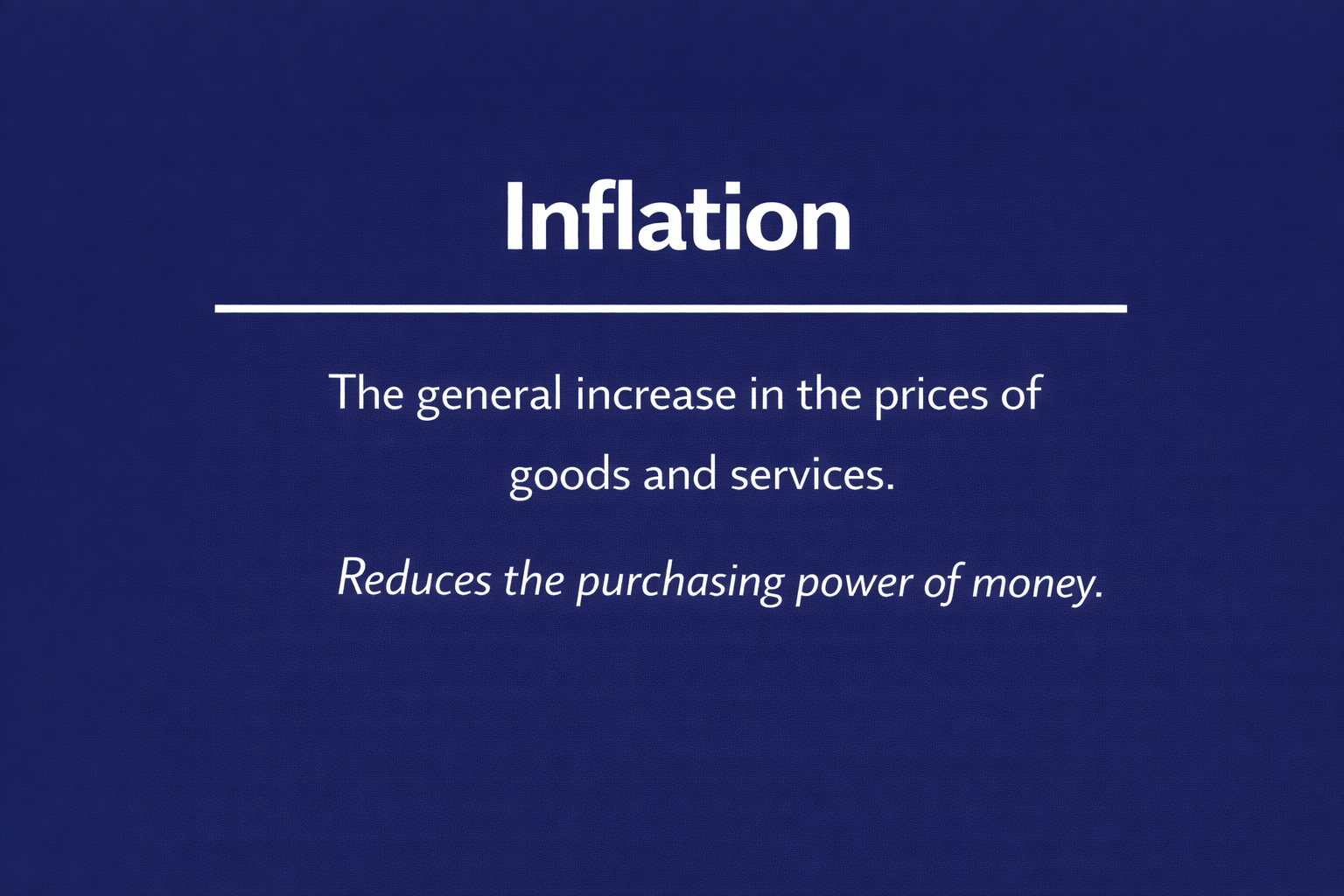
Inflation is the rate at which the general level of prices for goods and services rises, reducing purchasing power over time. Central banks, including the Bank of England, aim to keep inflation around a 2%1 target to support economic stability, using monetary policy to do so. An everyday example is the price of a loaf of bread rising from one year to the next. There are three primary types of inflation:
- Demand-pull inflation: Arises when demand for goods and services outstrips supply, often during economic booms.
- Cost-push inflation: Occurs when production costs increase, such as raw materials or wages, which are then passed on to consumers in the form of higher prices.
- Built-in inflation: Linked to expectations; as living costs rise, workers seek higher wages, which can contribute to a wage–price spiral.
Recent Trends and Examples
In recent years, UK inflation2 has been elevated compared with the previous decade, though the pace has varied month to month. Price levels for many household essentials remain higher than a few years ago, illustrating the tangible effects of inflation on everyday life. For the most up-to-date picture, refer to the Office for National Statistics3 (ONS) releases for CPI and CPIH.
Role of Central Banks
Central banks manage inflation via monetary policy. In the UK, the Bank of England sets the Bank Rate and uses its balance sheet (for example, quantitative tightening or asset purchases) to meet its 2% inflation target. If inflation is rising, the Bank may increase Bank Rate to temper consumer spending and borrowing, helping to slow price pressures.
Impact of Interest Rates
When the central bank adjusts interest rates, it affects the wider economy. An increase in Bank Rate generally makes borrowing more expensive and saving more attractive, which can reduce demand and help control inflation. The level of Bank Rate changes over time; for the latest figure, see the Bank of England’s website. Higher rates typically raise costs for borrowers on variable-rate deals or when remortgaging, while deposit rates may improve for savers.
Understanding these facets of inflation is useful for personal financial planning. Keeping informed about inflation trends can support more informed decisions about spending, saving and investing.
Effect of Inflation on Daily Purchases
The immediate effect of inflation is the erosion of purchasing power. This means each pound buys fewer goods and services than before. Here’s how this plays out in everyday life:
Increased Prices of Goods and Services
As inflation rises, the first noticeable impact is on the prices of everyday items. A weekly grocery shop may cost more, affecting household budgets, particularly for those on fixed incomes. For example, the cost of basic food items such as bread and milk may rise, significantly affecting families’ weekly shopping budgets. Even small increases, repeated across many items, can add up to a substantial change in monthly spending.
Detailed Impact on Household Essentials
In addition to groceries, essential categories such as utilities and transport have also seen price pressures. Energy bills are influenced by Ofgem’s price cap4 updates, and many rail fares are reviewed annually, both of which can feed through to household budgets. These changes may prompt households to adjust spending or seek more cost-effective alternatives.
Changes in Consumer Behaviour
As the cost of goods rises, consumers may adjust their purchasing habits. Non-essential items might be forgone, and cheaper substitutes sought. This shift can affect businesses, particularly small and medium-sized enterprises that are sensitive to changes in consumer spending. Additionally, there is a trend towards increased online shopping, with consumers comparing prices more readily and using digital vouchers and promotions to stretch their budgets.
Adaptations in Consumer Spending
Consumers are not only changing what they buy but also how they buy. There is a noticeable increase in the use of budgeting apps and financial planning tools to track spending and manage finances more effectively. This proactive approach helps individuals adjust to price fluctuations without compromising overall financial stability.
Impact on Savings and Investments
Inflation and interest rates are closely linked. When rates rise, borrowers usually face higher costs, but savers may see better returns on cash. What matters to savers and investors is the real return, the return after inflation. If inflation outpaces interest on savings, purchasing power still falls. Check current product rates and inflation data to understand the real effect on your money.
Realignment of Investment Strategies
Some people consider assets that may be more resilient to inflation, such as diversified equity funds, property, commodities (including precious metals), or UK index-linked gilts5. Fixed-rate savings accounts and high-quality bonds can provide certainty about interest rates, though returns are not guaranteed to keep pace with inflation, and capital values (for investments) can fall as well as rise. Diversification and alignment with your goals, timeframe, and risk tolerance are key. Cash deposits are protected only up to the relevant Financial Services Compensation Scheme6 (FSCS) limits with eligible institutions.
Understanding these impacts of inflation on daily purchases and financial decisions is important for maintaining personal financial health in a changing economic environment. By staying informed and adapting strategies accordingly, individuals can mitigate negative effects and keep a stable financial outlook.
Strategies to Mitigate Inflation Impact
While individuals may feel powerless against macroeconomic forces, there are several strategies that can help mitigate the impact of inflation on everyday spending:
- Budgeting: Maintaining a detailed budget is valuable. Regularly reviewing and adjusting it can help you prioritise essential expenses and trim non-essential spending. Using digital tools and apps for budget tracking can provide real-time insights into spending patterns and support better decision-making.
- Smart Shopping: Using discounts, promotional offers and bulk purchasing can help offset rising prices. Planning purchases around sales periods, using cashback offers and comparing prices across different platforms are practical ways to achieve savings. Considering supermarket own brands over premium lines can offer similar quality at a lower cost.
- Investing wisely: Consider a diversified mix that may include equities, property, commodities, or UK index-linked gilts. No investment is guaranteed to keep up with inflation, and values can go down as well as up. If you are unsure what’s appropriate for your goals and risk appetite, seek regulated financial advice.
- Energy efficiency: Investing in energy-efficient appliances and home improvements can reduce utility bills over time. As energy costs change, efficiency measures can provide long-term savings and support environmental sustainability.
- Continuous education: Staying informed about economic conditions and improving financial literacy can help you make informed choices. Government-backed MoneyHelper provides free, impartial guidance, and following updates from the ONS and Bank of England can help you track inflation and interest-rate changes.
Implementing these strategies requires a proactive approach to personal finance management. By planning ahead and staying adaptable, you can safeguard purchasing power and maintain financial stability despite inflationary pressures.
When Financial Advice May Help
If you want help understanding how inflation affects your budget or long-term plans, a regulated financial adviser can provide personal recommendations based on your circumstances. They can help you prioritise goals, build a budget, and design an investment approach aligned with your risk tolerance and time horizon. This article is for information only and is not personal advice; advice and investment products involve fees and charges.
Advisers can also help you adjust your financial plans to account for potential changes in inflation, interest rates, and income needs over time. Remember, investments can fall as well as rise, and you could get back less than you invest; past performance is not a guide to future returns.
FinancialAdvisers.co.uk can connect you with an FCA-authorised financial adviser in your area. Before proceeding, check the adviser’s status on the FCA Register and ask about services and fees. Free, impartial guidance is also available from MoneyHelper.
This article contains external links for further information on topics. Whilst all attempts are made to verify the trustworthiness of these external sources, we accept no responsibilty for the upkeep or security of these external websites. Some of these links in particular are annotated below:
- 1 https://www.bankofengland.co.uk/monetary-policy/inflation
- 2 https://www.ons.gov.uk/economy/inflationandpriceindices
- 3 https://www.ons.gov.uk/
- 4 https://www.ofgem.gov.uk/information-consumers/energy-advice-households/energy-price-cap-explained
- 5 https://www.dmo.gov.uk/data/gilt-market/index-linked-gilts/
- 6 https://www.fscs.org.uk/