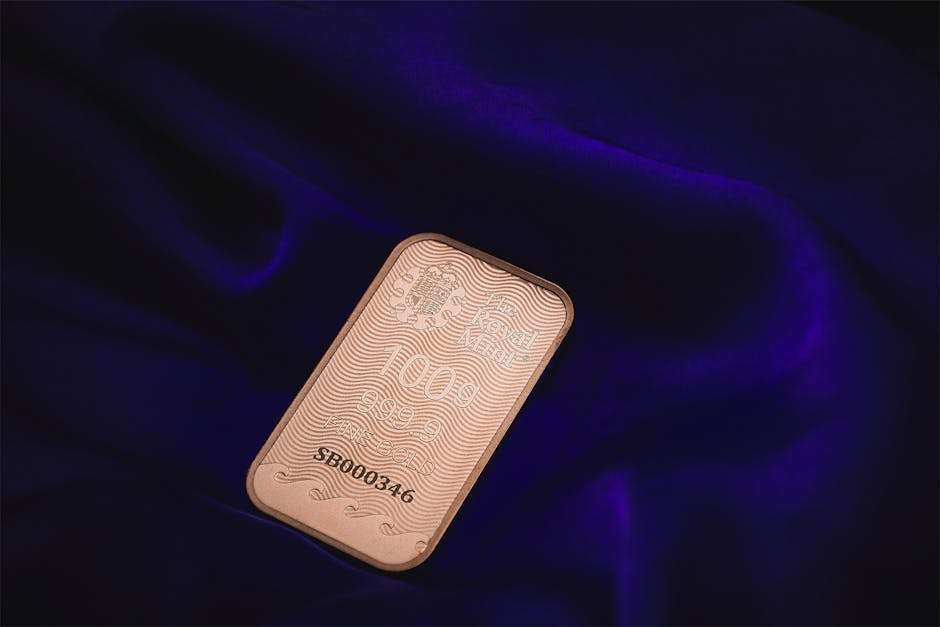
How to Invest in Silver: Is It a Good Investment?
Reviewed by Neil AinsworthLast updated: November 6, 2025 8:29 am

Image credit: cottonbro studio @Pexels
In this article:
Introduction to Silver as an Investment
Investing in silver has traditionally been viewed as an astute approach for diversifying investment portfolios and managing risk. Silver’s distinctive characteristics stem from its dual role as both an industrial and a precious metal, enhancing its appeal as a versatile investment choice. This guide will explore different methods of silver investment, highlight potential risks, and provide insights on choosing optimal silver investment strategies to bolster your financial plan.
Why Consider Silver for Investment?
Silver’s market dynamics are influenced by a variety of factors, making it a potentially lucrative but stable asset. Historically1, silver prices have shown resilience, recovering from market lows with robust gains. For instance, after the financial uncertainties precipitated by global events in the early 2020s, silver prices experienced significant increases2 this year, underscoring its role as a ‘safe haven’ during volatile times.
In addition to its economic allure, silver benefits from substantial industrial demand. It is indispensable in sectors such as electronics, solar energy, and medical technologies. This industrial demand helps to support the silver market, providing a base level of demand regardless of financial market trends.
Investors also value silver for its liquidity. Silver, being one of the most traded precious metals, ensures that investors can buy or sell their holdings relatively easily, which is not always the case with other assets or commodities.
Statistical Insights into Silver’s Performance
Over recent years, silver has seen a compound annual growth rate (CAGR) that competes favourably with other commodities.
Understanding the nuanced role of silver in global economic and industrial contexts can significantly aid investors in making informed decisions. As such, aligning silver investments with broader financial goals and current market conditions is crucial for optimising returns and managing exposure to potential downturns.
By incorporating these insights into your investment strategy, you can more effectively utilise silver to achieve a diversified and resilient portfolio. Consulting with a financial adviser who understands the complexities of commodities like silver can further enhance your strategy, ensuring it aligns with your overall financial objectives.
Methods of Investing in Silver
Exploring the various methods for investing in silver reveals a diverse range of options, each with specific benefits and considerations:
- Physical Silver: Investing in physical silver, such as coins or bars, is a direct approach. This method allows investors to own a tangible asset, which can be especially appealing during times of digital financial uncertainty. It’s crucial to account for additional expenses, including secure storage and insurance, which can vary based on location and the quantity of silver stored.
- Silver ETFs: Silver Exchange-Traded Funds (ETFs) offer a practical investment alternative without the logistical challenges of handling physical silver. These funds mirror the current market price of silver and are traded on major stock exchanges, providing high liquidity.
- Silver Mining Stocks: Shares in companies that mine silver can potentially yield high returns, but they come with considerable risk due to market volatility. These stocks are sensitive to changes in silver prices but also to company-specific factors such as mining efficiency and geopolitical influences. Detailed research and possibly consultation with a financial adviser are advisable to navigate this sector effectively.
- Silver Futures: Futures contracts are agreements to buy or sell silver at a future date for a price that is agreed upon today. This method is suited for seasoned investors familiar with speculative investments and the potential for significant gains or losses.
- Silver Options: Options provide the right, though not the obligation, to buy or sell silver at a predetermined price before the option expires. This form of investment allows for strategic flexibility and, depending on market movements, can be less risky than futures. However, the complexity of predicting price movements accurately should not be underestimated.
- Silver Mutual Funds: Mutual funds that invest in a variety of silver-related assets offer investors a way to diversify their silver holdings without directly managing individual investments. These funds may include a mix of physical silver, silver futures, and mining company stocks, providing a balanced exposure to the silver market.
Each investment method comes with its own set of risks and benefits, and selecting the right one depends on the individual investor’s financial goals, risk tolerance, and market outlook. Understanding the nuances of each option can help in making informed decisions that align with personal investment strategies.
Understanding the Risks of Silver Investment

Image credit: merwak. raw* @Pexels
Investing in silver, like all investments, involves certain risks that must be acknowledged and managed:
- Price Volatility: Silver prices can fluctuate greatly, influenced by market conditions and global economic factors, potentially leading to substantial investment losses. The volatility index for silver has shown peaks and troughs often correlating with geopolitical tensions and economic data releases.
- Industrial Demand: A significant portion of silver demand comes from industry. Any downturn in the industrial sector can negatively influence silver prices. For example, a slowdown in manufacturing in major economies such as China or the US can lead to a decrease in silver prices.
- Currency Risks: For those investing in silver internationally, fluctuations in currency exchange rates can affect investment returns. For instance, a strengthening US dollar typically makes silver more expensive in other currencies, potentially reducing international demand.
- Liquidity Risks: Certain forms of silver, like physical silver, may face challenges in quick liquidation at desired prices. The spread between buying and selling prices can be significant, which should be considered when purchasing physical assets.
- Counterparty Risks: Investments in silver through financial instruments like ETFs involve reliance on another party’s performance, which could lead to losses if the counterparty defaults. It is essential to assess the creditworthiness of counterparties before investing.
- Regulatory Risks: Changes in government regulations regarding taxes or trading can impact silver investments. For instance, any alterations in the VAT applied to silver transactions or changes in trade tariffs can affect market prices and profitability.
Additionally, it’s important to consider the operational risks associated with mining companies if investing in silver stocks. Issues such as mine depletion, increased production costs, and environmental regulations can significantly affect the profitability of silver mining operations and, consequently, stock values.
By understanding these risks and planning accordingly, investors can better navigate the complexities of the silver market and work towards achieving a more secure and potentially profitable investment portfolio.
Factors Influencing Silver Prices
Several factors can affect the price of silver, making it essential for investors to stay informed:
- Supply and Demand Dynamics: The fundamental economics of supply and demand directly influence silver prices. A high demand with limited supply can drive prices up, whereas excess supply can decrease them.
- Economic Conditions: During times of economic instability, silver often becomes a ‘safe haven’ asset, potentially driving up its price.
- Inflation Expectations: Silver is considered a hedge against inflation. Increasing silver prices could be anticipated as investors look for security against currency devaluation.
- Currency Fluctuations: Since silver is typically priced in U.S. dollars, changes in exchange rates can impact its cost for investors using different currencies.
- Industrial Demand: The metal’s extensive industrial applications can also sway prices, as shifts in industrial demand will affect the overall market demand for silver. Notably, a surge in solar panel installations has increased demand for silver, given its critical role in photovoltaic cells.
- Investor Sentiment: The market’s perception and investor attitudes towards silver can lead to price changes. Positive trends in investor sentiment towards precious metals in 2025 have bolstered silver investments, reflecting in higher market prices.
- Technological Advancements: Innovations in technology that utilise silver, particularly in areas like electronics and renewable energy, can escalate demand unpredictably. The ongoing development of 5G technology and sustainable energy solutions has played a significant role in shaping silver demand.
Is Silver a Viable Investment?
Investing in silver can offer several advantages, particularly its ability to maintain value in times of economic uncertainty and its widespread industrial use. However, potential investors must consider the associated risks and market volatility. The diverse uses and consistent demand for silver suggest it may remain a robust investment. Each investment opportunity should be evaluated for its suitability based on individual financial goals and risk tolerance. In 2025, with the economic landscape evolving and silver’s role in green technologies expanding, the prospects for silver investments appear promising, albeit with the need for careful strategy and risk management.
Our How to Invest Series
We’ve prepared a series of blogs to help you understand how to invest in various sectors and whether these investments are a good idea. You can learn more below:
- How to Invest in Fashion
- How to Invest in Startups
- How to Invest in Art
- How to Invest in Healthcare
- How to Invest in Hotels
- How to Invest in Agriculture
- How to Invest in Biotechnology
- How to Invest in Coffee
- How to Invest in Gold
A financial adviser can help
Consulting a financial adviser can be invaluable in navigating the complexities of silver investment. A professional can offer personalised advice tailored to your financial situation and investment objectives. They can assist in crafting a diversified investment portfolio that includes silver, potentially mitigating risks while aiming to capitalise on its benefits.
FinancialAdvisers.co.uk can assist you in this regard by connecting you with a FCA Approved Financial Adviser in your area, ensuring you receive expert guidance tailored to your investment needs.
This article contains external links for further information on topics. Whilst all attempts are made to verify the trustworthiness of these external sources, we accept no responsibilty for the upkeep or security of these external websites. Some of these links in particular are annotated below:
- 1 https://markets.chroniclejournal.com/chroniclejournal/article/marketminute-2025-10-20-silvers-shimmering-ascent-safe-haven-demand-surges-amidst-us-shutdown-and-global-turmoil
- 2 https://www.reuters.com/business/silver-surges-past-35oz-level-hit-more-than-13-year-high-2025-06-05/
The following domains are also linked to credit authors and/or photographers: