New to Day Trading? Common Mistakes to Avoid
Reviewed by Neil AinsworthLast updated: April 28, 2026 11:16 am
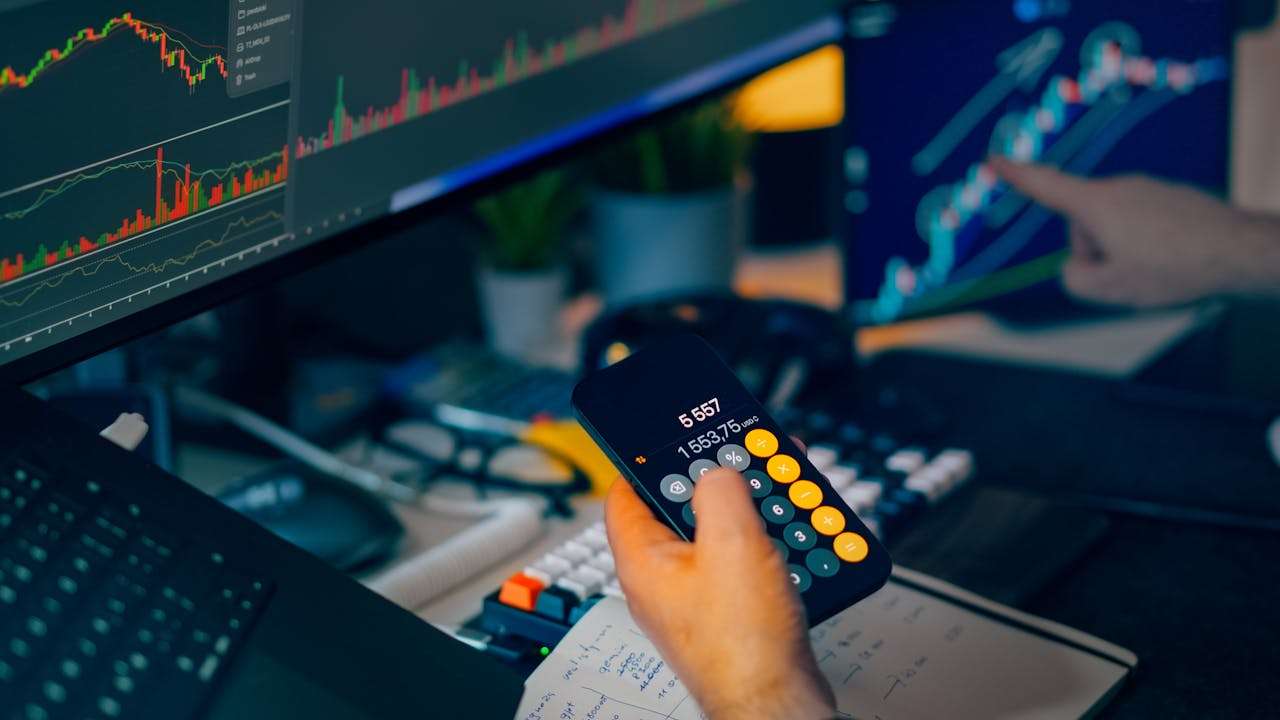
Image credit: Alesia Kozik @Pexels
In this article:
Day trading is high-risk and not suitable for everyone. Many retail investors lose money, particularly when using leverage, and you should only trade with money you can afford to lose. Understanding common pitfalls and how to manage them can help you make more informed decisions in the fast-paced world of trading. This guide is for educational purposes only, not for personal advice, and past performance is not a reliable indicator of future results. Tax treatment depends on your circumstances and may change.
1. Trading Without a Plan
One of the most critical mistakes beginners make is entering the market without a solid trading plan. A trading plan should set out your financial goals, risk tolerance, methodology and how you will review results. Without a plan, decisions are often driven by emotion rather than evidence, which usually leads to poor outcomes.
How to Avoid This Mistake:
Before you start trading, dedicate time to developing a comprehensive trading plan. Clearly define your financial objectives and determine the level of risk you are comfortable with. It’s essential to devise specific strategies for entering and exiting trades and establish how you will evaluate your trading performance. This plan will act as your roadmap, helping you maintain focus and discipline. Consider practising in a demo account before risking real money.
Additional Components of a Trading Plan:
- Market Analysis: Include a section on how you will conduct market analysis. Will you focus on technical indicators, fundamental analysis, or a combination of both? Deciding this in advance can help you avoid making spur-of-the-moment decisions.
- Risk Management Techniques: Specify what percentage of your total capital you are willing to risk on a single trade. Many experienced traders recommend risking no more than 1-2% on any given transaction.
- Profit Goals: Set realistic profit targets for each trade, as well as monthly and yearly goals. This helps to prevent the common pitfall of holding onto positions too long in an attempt to squeeze out extra profits.
- Review Schedule: Decide how often you will review your trading plan. This could be monthly, quarterly, or annually, and should involve assessing whether your strategies and goals remain effective and aligned with your financial objectives.
By incorporating these elements into your trading plan, you can improve decision-making, manage risks more effectively and aim for more consistent results. Discipline and adherence to your plan matter as much as the strategies you choose.
Importance of Adapting Your Plan:
It’s vital to recognise that no trading plan is static. Financial markets are dynamic, influenced by global events, economic data and changes in sentiment. Regularly update your trading plan in response to new information and your own trading experiences so your approach remains relevant and effective.
While developing a trading plan takes time, it plays a significant role in achieving trading discipline. By setting clear guidelines and continually refining your approach based on actual performance and market changes, you can make more deliberate decisions and reduce avoidable mistakes.
2. Overleveraging
Overleveraging occurs when a trader utilises excessive margin to amplify the potential return on an investment. While leverage can increase gains, it also magnifies losses and can escalate into severe financial repercussions.
Understanding Leverage and Its Risks
Leverage in trading involves borrowing funds to increase potential returns on an investment. For instance, using a 10:1 leverage ratio means that for every £1 of your own capital, you can trade up to £10. This can turn even small price movements into significant gains or losses. In the UK, FCA rules cap leverage for retail clients on CFDs and spread bets (for example, up to 30:1 on major FX pairs and typically 5:1 on individual shares); actual limits vary by product and firm. The sale of crypto-asset derivatives to retail consumers is banned.
How to Avoid Overleveraging
To use leverage effectively and safely, start with lower leverage ratios. A conservative approach might involve beginning with a 2:1 or 3:1 ratio, especially if you are new to day trading. As you gain proficiency and a deeper understanding of market movements, you might consider higher ratios. Always stay within regulatory limits and your provider’s rules, increase leverage gradually, and never to a level that could jeopardise your entire trading capital.
Key Strategies to Manage Leverage:
- Assess your risk tolerance: Determine how much of your total trading capital you are willing to risk in a single trade.
- Maintain adequate capital: Ensure you have enough buffer capital to cover potential losses without needing to close positions prematurely. Be mindful of margin calls and overnight financing costs.
- Regularly review your leverage ratio: Adjust your leverage based on current market conditions and your recent trading performance. High volatility might warrant reduced leverage.
Benefits of Prudent Leverage Use:
When used carefully, leverage can enhance your trading capabilities without disproportionate risk. It allows for significant profit potential relative to your initial capital outlay. However, it’s vital to remember that, depending on the product, losses can exceed your initial investment. Retail CFD and spread-betting accounts must provide negative balance protection under FCA rules, but other forms of borrowing or leveraged exposure may not. Always understand how your specific product handles losses.
In summary, while leverage can be a powerful tool, it must be handled with great care. By managing your leverage ratios and adhering to a disciplined trading strategy, you can prioritise capital preservation and develop your skills over time.
3. Ignoring Stop-Loss Orders
A stop-loss order is a crucial risk management tool that closes out a trade at a specified price to help prevent further losses if the market moves against you. Novice traders often fail to place stop-loss orders, hoping the market will turn back in their favour. However, this approach can lead to significant and sometimes irreparable losses.
How to Avoid This Mistake:
Always use stop-loss orders to cap your potential losses. Determine the stop-loss level before you enter the trade and adhere to it. Be aware that in fast-moving or illiquid markets, your stop might be filled at a worse price than expected (slippage). Some providers offer guaranteed stops for an additional cost; these may reduce slippage risk but are not available on all products. This discipline will help you manage risk and protect your trading capital.
Effective Strategies for Setting Stop-Loss Orders:
- Percentage-Based Stop-Loss: Set the stop-loss order at a specific percentage below the purchase price. For example, setting a stop-loss order at 5% below the purchase price limits your loss to 5%.
- Volatility-Based Stop-Loss: Consider the market’s volatility. In more volatile environments, a wider stop-loss may prevent the trade from closing too early.
- Technical Indicators: Use technical indicators like moving averages or support and resistance levels to set logical stop-loss points that align with market trends.
Benefits of Using Stop-Loss Orders:
Implementing stop-loss orders helps cap potential losses and adds objectivity to trading decisions. It can reduce emotional decision-making, particularly in volatile conditions, where the temptation to ‘wait it out’ can lead to greater losses.
Adjusting Stop-Loss Orders:
As your trade progresses favourably, consider adjusting the stop-loss order to a break-even point or a position that locks in some profit. This method, known as a ‘trailing stop’, protects gains while potentially extending profit runs. Regularly re-evaluating your stop-loss strategy in response to changes in market volatility or personal risk tolerance is essential.
Incorporating disciplined stop-loss strategies ensures that you are prepared for sudden market movements and is crucial for maintaining a healthy trading portfolio. By controlling losses, you can sustain your trading capital and remain in the market for the long term.
4. Letting Emotions Guide Decisions
Emotional trading often leads to poor decision-making in the fast-paced environment of day trading. Fear can cause traders to sell too early, while greed might lead them to hold on to assets for too long, hoping for higher returns. This behaviour can result in significant financial losses and missed opportunities for stabilising one’s portfolio.
Strategies to Mitigate Emotional Trading:
To combat the influence of emotions, traders should implement a systematic approach to their trading decisions. It’s crucial to follow a structured trading plan that includes predefined entry and exit rules. Additionally, setting clear, achievable goals for each session can help maintain focus and reduce the impact of emotional swings.
Use of Technology:
Incorporating technology such as automated trading systems can be effective. These systems execute trades based on technical data and preset algorithms, which helps reduce the emotional aspect of trading decisions. In 2026, with advancements in trading software, these tools have become more accessible and user-friendly. However, no system can guarantee profits, backtests may overfit past data, and you remain responsible for monitoring and risk controls. Ensure any tool you use complies with your provider’s terms and applicable regulations.
Emotional Awareness and Self-Assessment:
- Regular Self-Assessment: Periodically evaluate your emotional state before starting your trading day. High stress or emotional turbulence can impair decision-making, suggesting it may be better to avoid trading during these times.
- Journaling: Keep a detailed journal documenting not only the trades and their outcomes but also the emotional state at the time of each decision. This practice can provide insights into how emotions affect your trading and help develop strategies to mitigate their impact.
Continuous Learning and Support:
Engage in regular training and educational programmes to enhance your understanding of the markets and trading techniques. Knowledge is a powerful tool against fear and uncertainty. Additionally, consider joining trading communities or forums where experiences and strategies are shared. Peer support can serve as a buffer against the isolation that often amplifies emotional trading.
By adopting these strategies, traders can minimise the negative effects of emotions on their trading performance. Ultimately, the goal is to foster a disciplined trading environment that encourages rational decision-making based on sound strategies and market analysis.
5. Failing to Learn From Mistakes
Every trader makes mistakes, but not every trader learns from them. Failing to review and learn from these mistakes can lead to repeating them, which can be costly. Traders who consistently review their decisions and adapt their strategies tend to improve discipline and decision quality over time.
How to Avoid This Mistake:
Keeping a trading journal is essential. Record all your trades, including the thought process behind each decision and the outcomes. Regularly review this journal to understand what strategies are effective and which are not, allowing you to make informed adjustments to your approach.
Benefits of a Trading Journal:
- Identifies Patterns: A journal helps in recognising both successful and unsuccessful trading patterns, enabling you to replicate successful strategies and avoid past errors.
- Emotional Regulation: Documenting your emotional state during trades can highlight instances where emotions influence your decisions, helping you to develop more disciplined trading habits.
- Strategy Refinement: By tracking the performance of different strategies, you can refine your approach based on concrete data rather than assumptions.
Implementing Effective Journaling Practices:
- Daily Reviews: Make it a routine to update and review your journal daily. This consistent evaluation helps keep lessons fresh and actionable.
- Detail-Oriented: Include specific details such as entry and exit points, trade size, market conditions, and your rationale behind each trade.
- Outcome Analysis: After recording the outcomes, spend time analysing why certain trades were successful or not, and note any adjustments needed for future strategies.
Learning from mistakes is crucial for growth in any field, particularly in day trading, where market conditions can change rapidly. By maintaining a detailed trading journal and regularly reviewing and adjusting your strategies, you can enhance your trading process and make more informed decisions. This disciplined approach not only helps minimise losses but also capitalises on potential opportunities more effectively.
6. Underestimating the Importance of Market Research
Market research is crucial for successful day trading. Many novice traders make the error of entering the market without adequately understanding the factors that influence price movements. Given the rapid evolution of global economies and the introduction of advanced trading technologies, thorough market research has become even more essential.
How to Avoid This Mistake:
Invest significant time in learning and understanding market dynamics. Regularly follow market news, trends, and analyses to stay updated. Employ both technical and fundamental analysis to gather comprehensive insights that can guide your trading decisions effectively.
Key Aspects of Market Research:
- Economic Indicators: Keep an eye on economic reports such as GDP growth rates, unemployment figures, and inflation rates. These indicators can significantly affect market sentiment and price movements.
- Political Events: Be aware of upcoming elections, policy changes, and international trade agreements as they can cause volatility in the financial markets.
- Earnings Reports: Company earnings reports can provide valuable insights into the company’s performance and potentially influence stock prices. Planning trades around earnings seasons can be a strategic approach.
- Technological Trends: Stay informed about technological advancements and innovations within key industries. These trends can drive market sectors up or down, depending on investor sentiment and adoption rates.
Benefits of Thorough Market Research:
Conducting detailed market research helps in making informed decisions and reduces the likelihood of costly errors. Traders who are well-informed about market conditions can better anticipate price movements and manage risks more effectively.
Tools for Effective Market Research:
- Financial News Websites: Regularly visit reputable financial news websites for up-to-date information and expert analyses.
- Market Analysis Software: Utilise advanced software tools that offer real-time data and trend analysis features. These tools can provide deeper insights and automate parts of the research process.
- Webinars and Workshops: Participate in educational webinars and workshops led by market experts. These sessions can provide valuable insights and clarifications on complex market concepts.
- Professional Advisories: Consider subscribing to services offered by financial advisories. Ensure any provider is authorised and regulated by the FCA, understands potential conflicts of interest, and recognises that no forecast is guaranteed.
By dedicating adequate time to market research and utilising these strategies, traders can enhance their market understanding, reduce risk, and improve their overall trading performance. Remember, successful trading is not just about making predictions but about making informed decisions based on robust research and analysis.
A Financial Adviser Can Help
Starting in day trading can be daunting, and the complexity of the financial markets means that even experienced traders may benefit from regulated guidance. A financial adviser can help you assess whether active trading suits your objectives, risk tolerance and wider financial plans. Regulated advisers typically focus on suitability, diversification and long-term planning rather than providing short-term trading tips.
If you’re unsure whether day trading is right for you or need help building an overall plan, consider seeking advice from an FCA-authorised and regulated firm. An adviser can help you understand risks, costs and tax considerations. No adviser can guarantee profits, and any decision to trade should be your own.
At FinancialAdvisers.co.uk, we aim to connect you with experienced, FCA-authorised and regulated advisers in your area. Always check the Financial Services Register to verify authorisation. Any connection is not an endorsement or recommendation; ensure the service is appropriate for your needs before proceeding.